

Shine on, you crazy rapper
The debut full-length from Shane Reis
Maybe you heard about Martin Manley. A long-time Kansas City sportswriter, he made the extraordinary decision to plan his own suicide 14 months in advance, all the while documenting his life on a web site that went live on the occasion of his death.
It’s interesting that he would at the same time wish to die and effectively live on forever in the annals of the Web, his every interest and familial detail articulated. He was at once documentarian and the guy who shuts off the lights at the end of the show.
 There’s something similar going on in hip hop these days, as rappers increasingly create albums that document their interior monologue, hyper-personal introspections over R&B samples and bouncy snares. Further, there are often assurances that said rapper won’t forget his/her upbringing when the big-time hits, that the fire that forged the rapper in question is vital to the forward trajectory of the big hip-hop career and the music, itself.
In other words, you can’t know their music without knowing them.
Shane Reis goes so far as to ponder “what woulda happened if I had died this weekend” late in his debut full-length, Reis & Shine, a 17-track collection of indie-pop contemporary rap, with familiar nods to the soul and funk traditions. On “If Tomorrow Never Comes,” Kristina Kentigian, quickly becoming a studio pro’s pro and piling up credits on local albums (the hip-hop equivalent to a horn section with Ryan Zoidis and Dave Noyes), croons behind the first couple verses, then knocks out a beautifully executed sung verse of her own.
Like Manley and his web site, Reis declares his intentions bluntly, in a cadence like a more-deliberate Bread. “I got a lotta shit to say,” he informs us early on the title and opening track, keeping us up to speed on everything from his age (23) to his foibles: “Hear the people whispering, say I don’t belong.”
It’s not this reviewer’s place to psychoanalyze, but there’s certainly no shortage of fodder here for anyone who might like to take a swing. It’s like he’s lying on the couch laying himself bare.
Heck, in “Human Nature” we get the entire thought process behind whether he should be jealous of his significant other or not. Through one of the more progressive tracks, with back-step beats and an off-time piano cadence, he details the real reason why she decided to put her ring in her purse when out at the club: She didn’t want to lose it like he had done.
Maybe it will strike you as too intimate. Maybe you’ll relate.
The album as a whole is in some ways like De La Soul’s Plug 1 & Plug 2, which is more throwback-‘90s, but similarly delivers a consistent style of hip hop with every track, rather than mixing ballads and bangers or changing up vocal deliveries for effect. You might not have all the songs committed to memory, but every track is very listenable.
Nor do the guest spots by talented MCs like Spose, Lady Essence, Jay Caron and Syn the Shaman overpower their tracks. They mold their flows to Reis’ like a tasteful lead guitar solo.
Essence’s contribution to “Can Your Remember” is particularly sweet (as in: aw shucks), dueting with Reis on a chanted chorus that’s playful and catchy in rap harmony and then giving her side of her friendship with Reis, how the two of them related with their parents and the outside world when Eminem and others infected them while growing up with the need to MC.
Her mother read her rhymes and pronounced, “You need therapy.”
“At heart, we’re still the same kids,” Reis allows, and that’s the ultimate ingredient in making his music successful: It’s genuine. And there is a wonder about it that cuts through any bombast and boasts.
There’s a small part of Reis, maybe, that still doesn’t believe he’s made an album that you can pick up in Bull Moose or buy from iTunes just like “real” rappers. Which means he’s made it for all the right reasons.
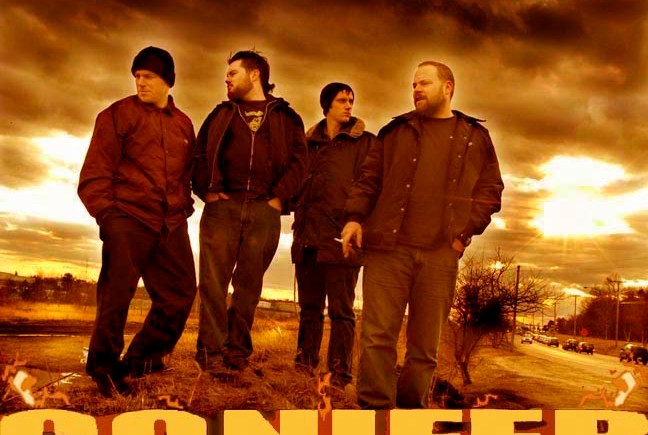
 It goes on for about four minutes, before guitar chords come in, every so slightly. Strum, strum, strum, strum — they enter like your standard shoegazer and build perceptibly till the drums arrive at around six minutes. The shoegazing finishes up, and the tune moves toward a more jammy drum sound and approach, meditative, with art-rock and metal elements from the guitars and bass.
 Portland's Best Albums | Maine Music Reviews